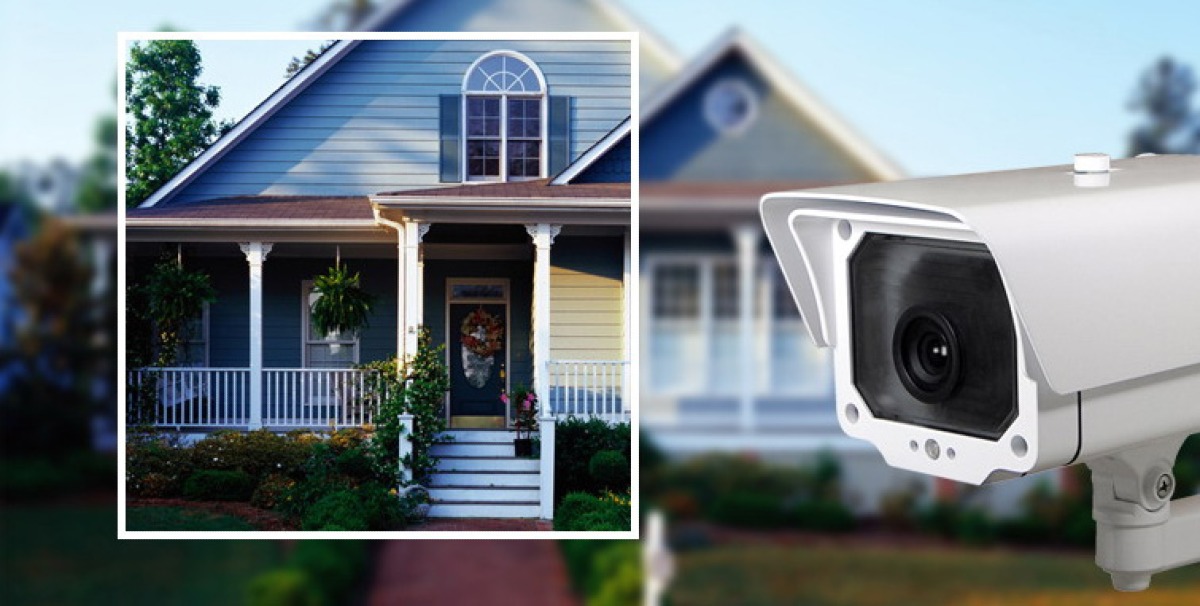
Closed-circuit television has changed dramatically. What began as a tool for watching a small number of cameras and reviewing tapes after an incident has become an important part of real-time security operations.
From analogue footage to searchable evidence
Early analogue systems produced limited image quality and relied on physical tapes. Reviewing an incident could take hours, and important detail was often difficult to see. Digital video recorders improved storage and made it easier to find footage by date and time. Network video systems then allowed cameras to send high-quality footage across secure data networks.
Today, properly designed systems can provide clearer images, longer retention periods and controlled remote access. These improvements make CCTV more useful for investigations, operational review and the verification of alarms.
Why image quality is only one part of the solution
A high-resolution camera cannot compensate for poor placement. Lighting, viewing angle, distance and the purpose of the scene all affect whether footage will be useful. A camera intended to observe general movement has different requirements from one expected to identify a person or vehicle.
Before installation, organizations should define what each camera needs to achieve. This makes it easier to choose suitable equipment and avoid blind spots, excessive overlap or footage that does not answer the questions investigators are likely to ask.
The shift toward live monitoring
Recording remains important, but many organizations now use CCTV to support earlier intervention. A monitoring team can review alerts, verify suspicious activity and follow an agreed escalation process. Video verification also helps distinguish genuine events from environmental movement or other false alarms.
This does not mean every camera must be watched continuously. The objective is to direct attention intelligently while preserving clear procedures for human review and decision-making.
Using video responsibly
Organizations should control who can view, export and share footage. Retention periods should reflect operational and legal requirements, and cameras should be positioned with privacy in mind. Access logs, secure credentials and documented incident-handling procedures all contribute to responsible use.
Planning a CCTV upgrade
Begin with a site assessment rather than a product list. Identify critical areas, review existing coverage, confirm recording requirements and decide how alerts will be handled. The strongest system is one that connects reliable equipment with trained people and a clear response plan.